

Fertility support and advice
Trying for a baby can quickly become overwhelming. Whether you're just starting to have questions, have been trying for some time, are preparing for IVF, or feel like something has been missed.
Fertility is complex and individual to you. We take a ‘no stone left unturned’ approach, helping couples better understand their fertility, explore what may be affecting it, and feel more informed about their options.
These Fertility Support pages are here to help you do your own research, understand more about your fertility, and hopefully feel more informed and in control. And when you're ready, we're here to help you with the next steps.

Explore other fertility support pages
Understanding your fertility
When you're trying for a baby, you may be looking for the perfect product or the 'answer' to help you have a family and we know it can be frustrating.
Your age, reproductive health, egg and sperm health, hormones, general health, lifestyle, medical history and more can all form part of your individual fertility picture. There’s rarely just one answer. Where you’re trying to conceive as a couple, both partners matter, and there may be a number of areas worth understanding and supporting.
The more you understand about your own fertility, the better placed you are to ask questions, make informed decisions and decide what your next steps might be.

Fertility is about both of you
So much of trying to conceive can become focused on the woman.
She tracks her cycle, watches for ovulation, thinks about egg quality, takes supplements, attends appointments and often carries much of the mental load of trying to work out why pregnancy hasn't happened. But male fertility matters hugely too, and sperm health should be part of the fertility conversation from the beginning.
If you're trying to conceive as a couple, we believe both partners should be part of the conversation. Understanding sperm health, looking at relevant lifestyle and health factors, and having appropriate fertility investigations can all be important parts of building a fuller picture.
What can affect fertility?
Fertility is influenced by many different factors, and the picture will be different for every person and every couple. There's rarely one factor, which is why we try to look at as many areas as possible, from hormones to lifestyle factors and nutrition, to specific fertility tests. Looking at these areas together can help you better understand your own fertility.

Hormones & hormone health
Hormones play an important role in ovulation, the menstrual cycle and reproductive health. This includes reproductive hormones such as oestrogen and progesterone, as well as hormones connected to areas such as thyroid function. Hormone tests and understanding how they work together can help build a fuller picture of your fertility.

Nutrition, lifestyle & stress
What we eat and how we live can support our wider health and reproductive health too. Nutrition, sleep, movement, smoking, alcohol and stress are all areas worth considering, without feeling that you have to create the ‘perfect’ fertility lifestyle. There are incremental changes you could make across a number of areas.

Environment & every day exposures
We're exposed to chemicals and environmental pollutants through many aspects of everyday life. You don't need to live in a toxin free bubble, but there may be some everyday exposures you choose to reduce as part of looking after your general and reproductive health.

Reproductive health
Sometimes there are physical or medical factors that can make conception more difficult. Conditions such as endometriosis, PCOS and fibroids, problems with ovulation, or issues affecting the fallopian tubes can all form part of the fertility picture and may require appropriate medical investigation to diagnose and treat.
My test results are 'normal' but I'm still not pregnant
Being told that your fertility tests look normal can initially sound reassuring.
But if you've been trying for a baby and it still isn't happening, it can also leave you wondering what to do next.
Some couples are given a diagnosis of 'unexplained infertility' when standard investigations haven't identified a clear reason for their difficulty conceiving. ‘Unexplained’ doesn't mean that your experience isn't real. It means that the investigations carried out so far haven't provided a clear explanation.
You may find at this point your investigations stop and you're sign-posted straight to IVF. However this is where we can often help fill in the gaps.
If you've reached this point and want to know what else you could do before IVF, explore our page below for more guidance.
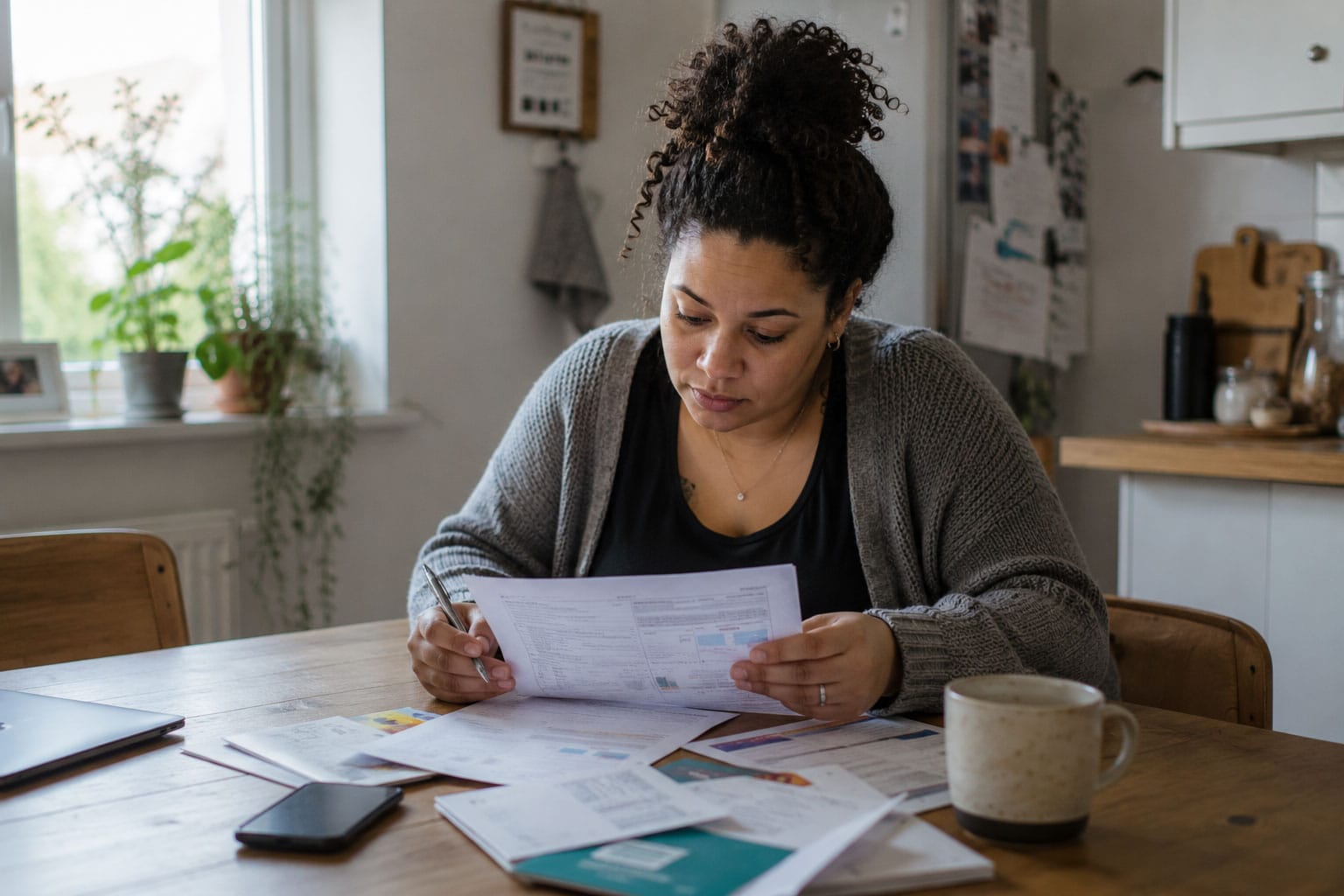

Understanding fertility testing
Fertility tests can provide important information, but it helps to understand what is actually being tested and what the results can and can't tell you. Testing will depend on your individual circumstances, but these are some of the areas you may come across during fertility investigations.
Hormone tests can help build a picture of ovulation, ovarian reserve and other aspects of reproductive health. You may come across tests for hormones such as AMH, FSH, LH, oestrogen and progesterone.
The timing of some hormone tests matters, and results shouldn't necessarily be looked at in isolation. Understanding what has been tested, when it was tested and what the results mean in the context of your wider fertility picture is important. They are also linked, so understanding the relationship between the results can also paint a clearer picture of your fertility.

Age and fertility
Age is an important part of fertility, but conversations about it can sometimes create more fear than understanding. Female fertility does change with age, particularly because both the number and quality of eggs change over time. But age isn't only relevant to women. Male fertility and sperm health can change with age too.
Your age is one part of your fertility picture, not the whole story. Understanding what changes with age, what doesn't, and which areas of your health you may be able to influence can help you make decisions based on information rather than fear.
Preparing for IVF
If IVF has been recommended, it can sometimes feel as though everything suddenly becomes about treatment dates, medications, scans and protocols.
But preparing for IVF can also be an opportunity to understand your fertility more fully.
You may want to look at your previous investigations, understand your individual diagnosis, consider both partners' health and think about the physical and emotional preparation that feels right for you.
IVF can be an important part of a fertility journey, but you still deserve to understand what is happening and why, what you can do to prepare, and whether there are any appropriate questions or investigations to consider before you start.
Miscarriage and pregnancy loss
Experiencing a miscarriage can leave you with many questions about why it happened, whether anything could have caused it, and what it might mean for trying again. In many cases there isn't a simple explanation, but there are known causes and, depending on your circumstances and history, there may be investigations or further support worth discussing.
If you've experienced a miscarriage, or you're worried about what it could mean for your fertility, Verity explains some of the possible causes, the questions you may want to ask, and what to consider next in the video.
What can you do to support your fertility?
One of the hardest things about trying to conceive is feeling that so much of it is outside your control.
There are no guarantees when it comes to fertility, and nobody should be made to feel that pregnancy simply depends on doing everything ‘right’.
But there may be areas of your fertility and general health that are worth understanding and supporting.
Depending on your individual circumstances, that might include understanding your menstrual cycle and fertile window, looking at nutrition and general health, supporting egg and sperm health, considering lifestyle factors, getting enough sleep and movement, and looking after your emotional wellbeing too.
The aim isn't to make trying for a baby another full time job. It's to understand which things are genuinely relevant to you and focus your energy there.

When you might want some extra support
Sometimes doing your own research gives you the information and reassurance you need.
At other times, you may reach a point where you'd like someone to sit down with you, look at your individual fertility journey and help you make sense of everything you've been told.
That's where we can help.
At Verity Paz, we look at fertility from a whole person and whole couple perspective. Depending on what you need, support can include fertility coaching, fertility reflexology and acupuncture alongside the medical care and investigations you may already be receiving.
There is never a one size fits all fertility journey. The aim is to help you understand yours.
FAQs
If you've been trying for a baby and pregnancy isn't happening, it can be difficult to know when to ask for help. NHS guidance generally recommends speaking to your GP after a year of regular unprotected sex if you're under 36, and sooner if you're 36 or over, have irregular periods, a known reproductive health condition, previous fertility concerns or another reason to be worried.
You don't need to wait until you're at crisis point to start understanding your fertility, though. Learning more about your cycle, both partners' reproductive health and what investigations may be appropriate can help you feel better informed about what to do next.
